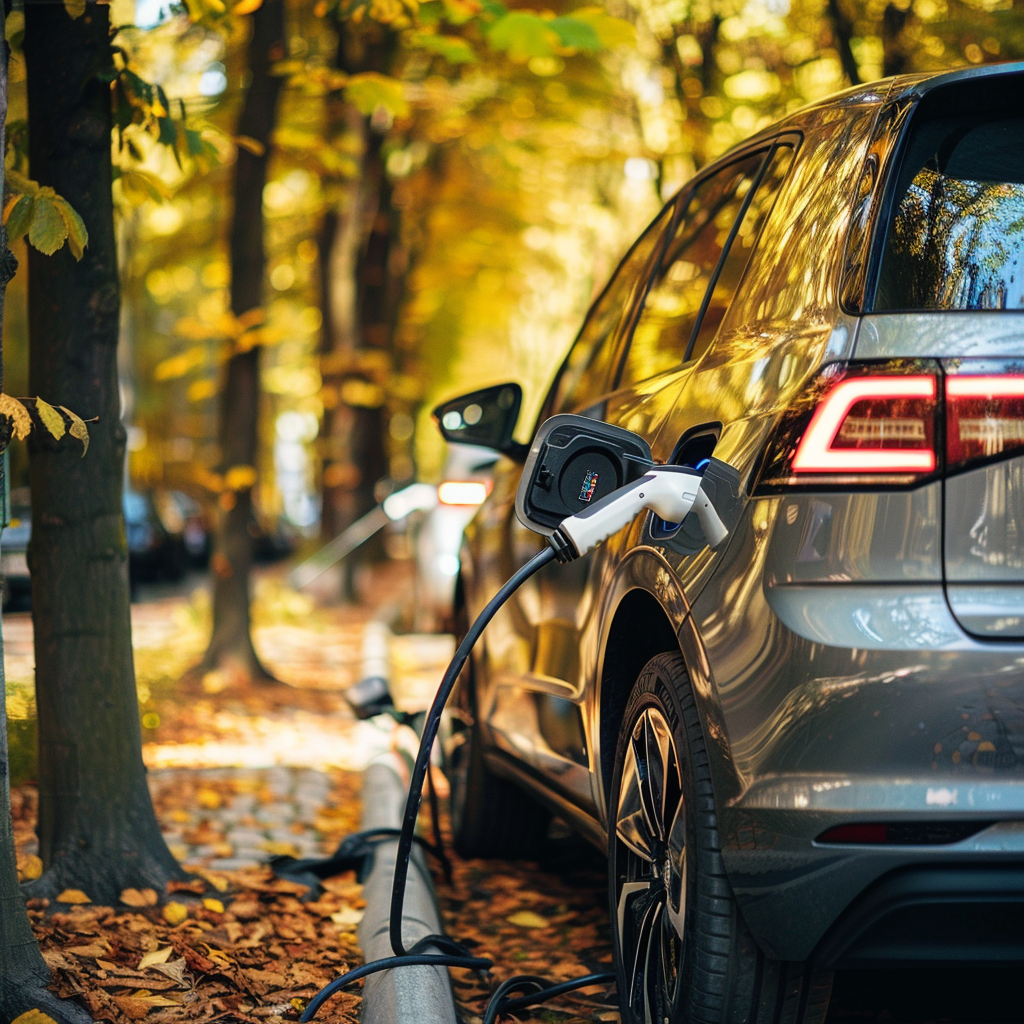
- Everything You Need to Know About Buying an Electric Vehicle
Electric vehicles (EVs) are becoming increasingly popular, offering a cleaner and more sustainable alternative to traditional gasoline-powered cars. However, navigating the world of EVs can be overwhelming for amateur buyers. This comprehensive guide provides you with everything you need to know about purchasing an EV, from understanding the different types to calculating charging costs, helping you make an informed decision.
- Understanding the Different Types of EVs
EVs come in several categories, each with its own unique characteristics:
- Battery Electric Vehicles (BEVs): These vehicles run solely on electricity stored in a battery pack. They have the longest electric range and produce zero tailpipe emissions.
- Plug-in Hybrid Electric Vehicles (PHEVs): PHEVs combine a gasoline engine with an electric motor and battery. They can be driven on electricity for shorter distances and switch to gasoline for longer trips.
- Hybrid Electric Vehicles (HEVs): HEVs have a gasoline engine and an electric motor but cannot be plugged in to charge. The electric motor assists the gasoline engine, improving fuel efficiency.
- Factors to Consider When Buying an EV
- Range: Consider your daily driving needs and choose an EV with a range that meets or exceeds those requirements.
- Charging: Evaluate your charging options at home and work, and determine if public charging stations are readily available in your area.
- Cost: EVs typically have higher upfront costs than gasoline cars, but lower operating and maintenance expenses. Consider government incentives and tax credits that may reduce the purchase price.
- Features: EVs offer a wide range of features, including advanced driver-assistance systems, regenerative braking, and infotainment systems.
- Reliability: Research the reliability and safety ratings of different EV models.
- Calculating Charging Costs
The cost of charging an EV depends on factors such as electricity rates, battery size, and driving habits. You can use online calculators to estimate your monthly charging costs.
- Benefits of Owning an EV
Owning an EV offers numerous benefits, including:
- Environmental Friendliness: EVs produce zero tailpipe emissions, reducing your carbon footprint and contributing to a cleaner environment.
- Lower Operating Costs: Electricity is typically cheaper than gasoline, leading to significant savings on fuel.
- Tax Incentives: Many governments offer tax credits and other incentives for purchasing EVs.
- Quiet Operation: EVs are much quieter than gasoline cars, providing a more peaceful driving experience.
- Conclusion
Buying an EV is a significant decision, but with proper research and planning, it can be a rewarding experience. This guide has provided you with the essential information to make an informed decision and embrace the exciting world of electric vehicles.
Additional Resources:
- [U.S. Department of Energy: Electric Vehicles](https://www.energy.gov/eere/electricvehicles)
- [Environmental Protection Agency: Electric Vehicles](https://www.epa.gov/electric-vehicles)
- [Electric Vehicle Association](https://electricvehicleassociation.org/)
I hope this information proves valuable in your journey towards purchasing an electric vehicle.
 Shaun Kirkpatrick